
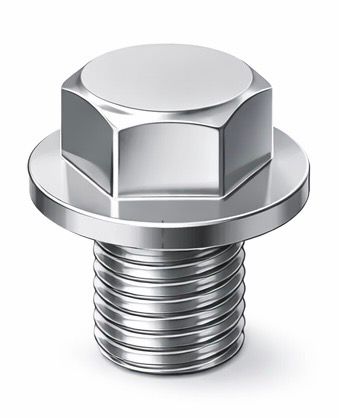
Hex head
Hex head screws and hex-head bolt types are widely used in industry, machinery and structural connections thanks to high torque transfer, a broad contact surface and easy socket-tool assembly.
Review head types used in stainless screw applications from a visual and technical perspective.
SEO keywords: stainless screw, head types, hex head, Allen head, countersunk head, Torx head, technical dimension parameters.
Cards include visual and technical descriptions only. Image files are prepared with SEO-friendly names and use the same visual paths as the TR page.
Hex head screws and hex-head bolt types are widely used in industry, machinery and structural connections thanks to high torque transfer, a broad contact surface and easy socket-tool assembly.
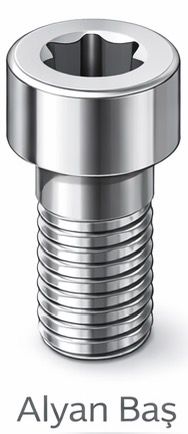
Allen head screws offer controlled tightening in narrow assembly areas with their internal hex drive structure. They are a compact head type preferred in machine components, mold systems and precise technical connections.
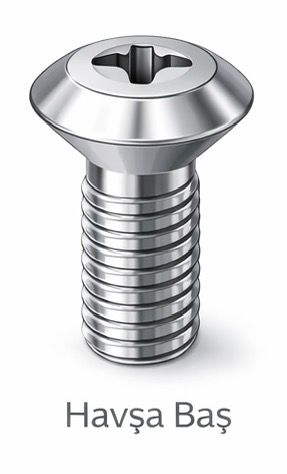
Countersunk screw types create a flush finish by seating into the surface. They are used in sheet metal screws, wood screws and decorative assembly applications for a clean appearance and minimal surface protrusion.
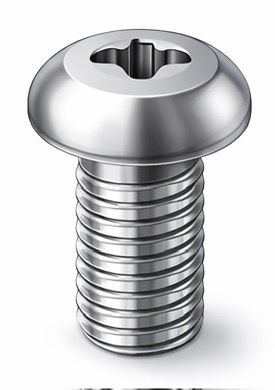
The pan head form provides a low profile and a broader bearing area, supporting balanced load distribution on thin sheet, panel and sensitive-surface parts. It is a practical head type for general assembly and machinery connections.
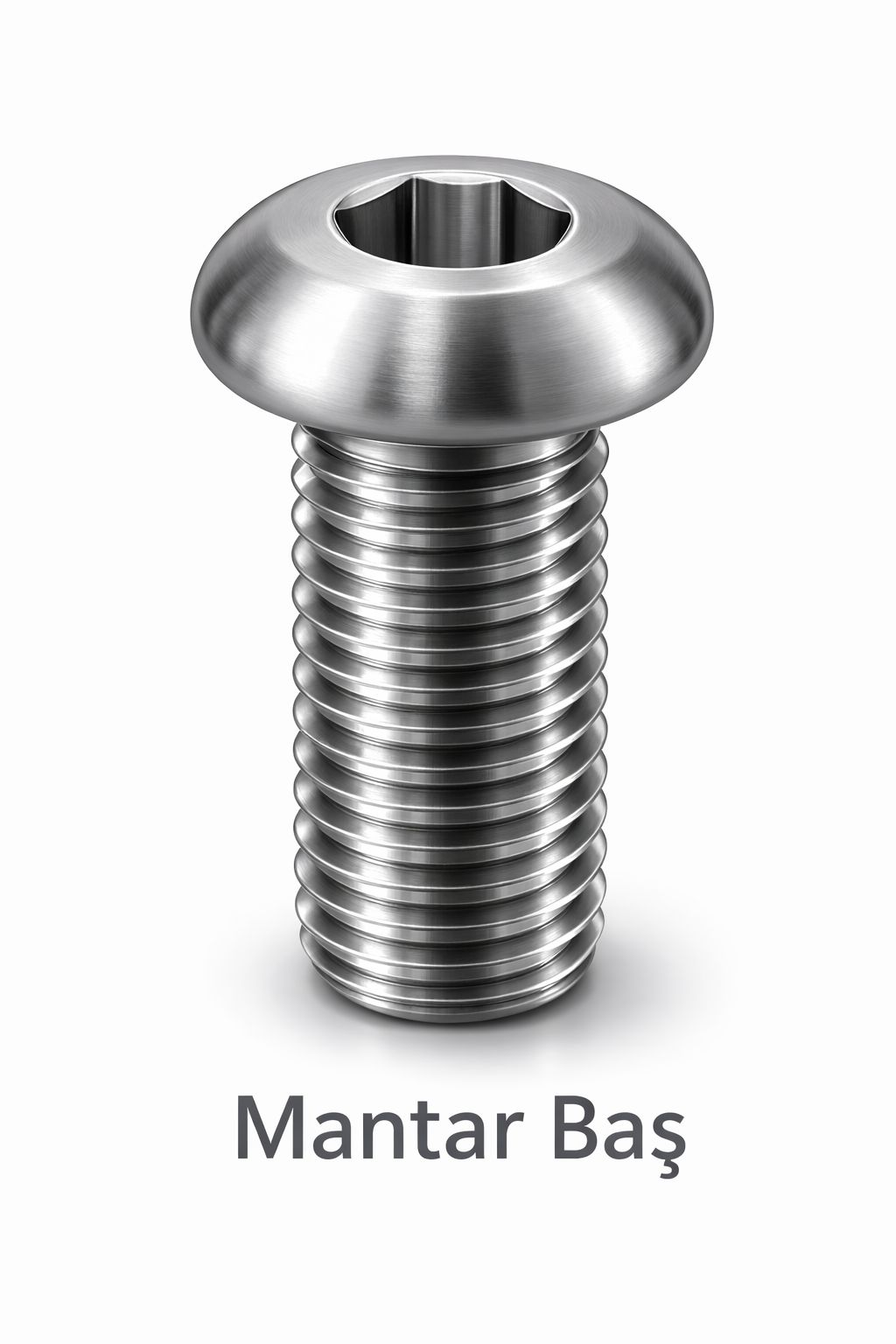
Mushroom head screws provide a smoother finish on visible surfaces with their domed upper form and softer geometry transitions. They are often preferred in furniture, trim, accessory and decorative connection applications.
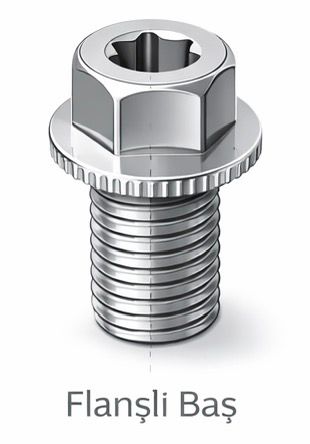
Flange head screw and flange bolt types improve load distribution by creating a broad seating surface under the head. This geometry can reduce washer use and suits serial assembly, sheet connections and vibration-prone environments.
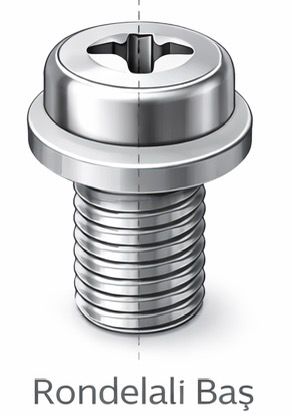
Washer head screw types reduce crushing on thin materials and distribute clamping force more evenly thanks to the wider bearing area under the head. They offer advantages in sheet assembly, panel joining and serial production applications.
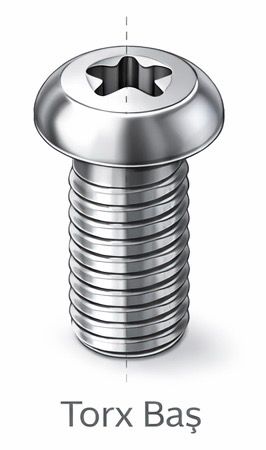
Torx head screws provide more controlled torque transfer with a higher contact surface and reduce cam-out risk. They are a modern head type frequently used in automotive, white goods, technical service and serial assembly lines.
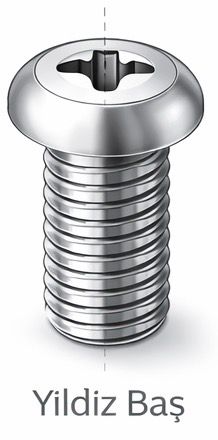
Phillips head screws are widely preferred in general fasteners, sheet applications and panel assembly because of broad driver compatibility and quick installation advantages. They are among the classic screw head forms with practical use.
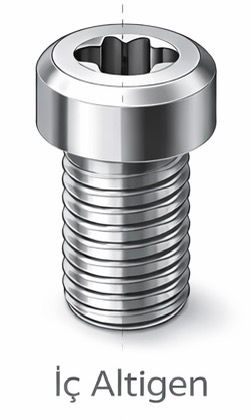
Hex socket head screws provide a clean outer surface, compact assembly and high tightening control thanks to their internal hex geometry. They are widely used in technical equipment, machine parts and precise mechanical connections.
This page is prepared as a technical information center for head types used in stainless fasteners. Production planning is evaluated according to geometry, process capability and application conditions.
A2 (304) and A4 (316) material options are reviewed according to project requirements.
For parameter definitions, see the Technical Glossary -> Dimension Parameters
| Parameter | Detail |
|---|---|
| d (nominal diameter) | Project-based |
| L (length) | Project-based |
| Head / drive | Depends on product geometry |
| Material | A2 / A4 |
Tolerance targets are determined by product geometry, process capability and approved technical documentation. Information here is guidance-oriented.
Catalog card for validated dimensions and variation ranges.
Yes. Length and diameter combinations are reviewed as project-based manufacturable ranges.
A2 (304) fits many general environments, while A4 (316) is preferred for more aggressive exposure conditions.
Reference standards depend on geometry and application, and are finalized during technical review.
Use the parameter table together with the glossary definitions.
Yes, please use the Contact page.