Standards Reference Hub
DIN and ISO pages with scope, dimensional context and application-oriented technical notes.
Go to StandardsWith DIN and ISO referenced production logic, we manage screws, bolts, nuts, washers, dowels and anchors under one technical structure. Technical drawings, dimension tables and standard notes help teams validate selections faster.
Our manufacturable-variation model aligns head style, thread type, material class and dimension combinations with project-specific engineering constraints.
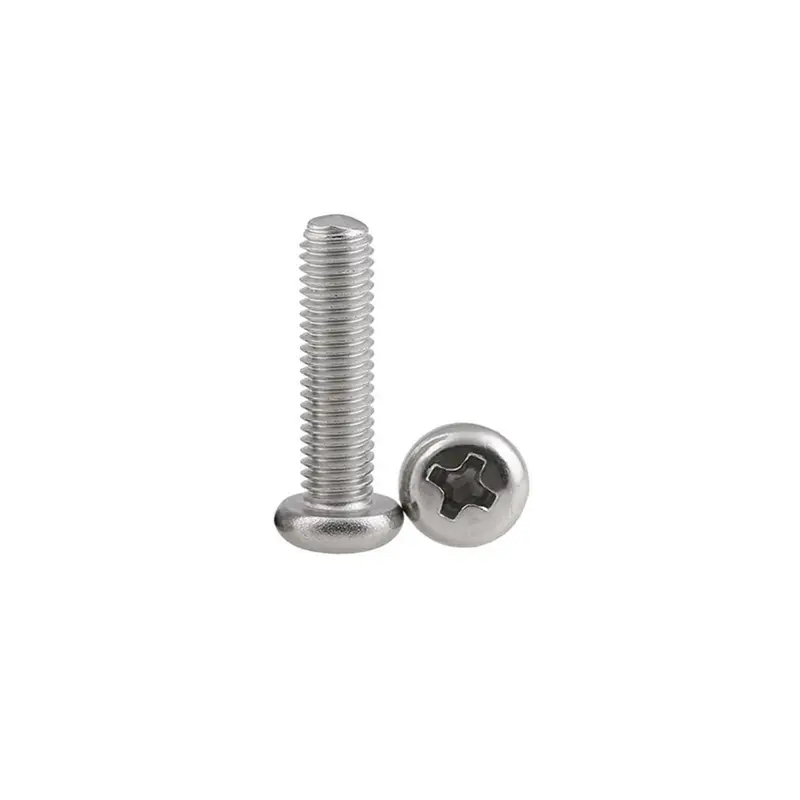
Metric, sheet-metal, chipboard and special thread families are organized with technical cards and dimension references. Head/drive combinations are structured for manufacturing-oriented selection.
Category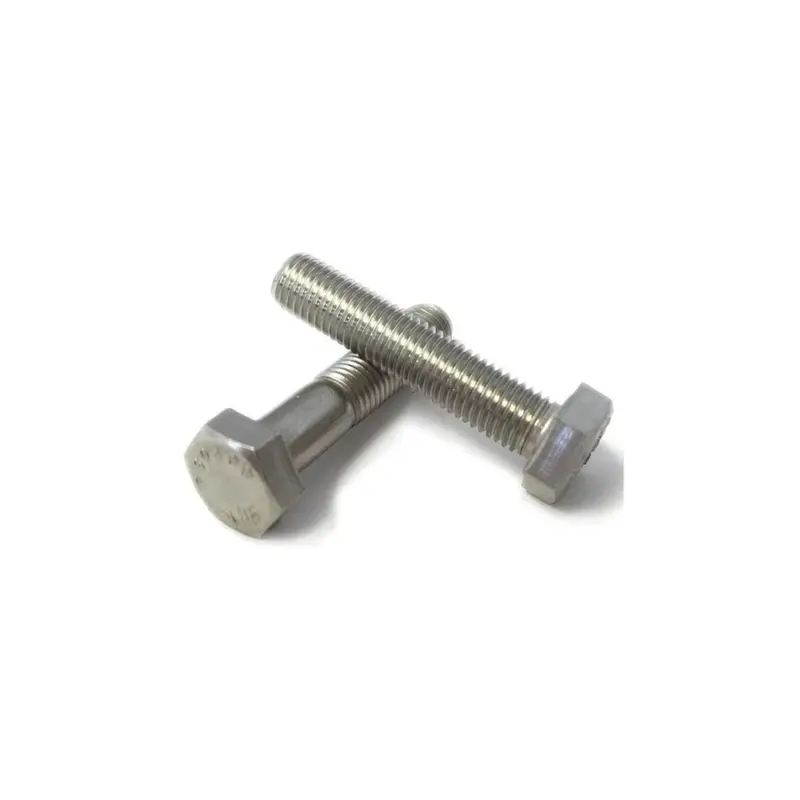
Hex, socket and flange bolt families are grouped with standard references for fast engineering navigation. Suitable for machinery, structural and equipment-level assembly planning.
Category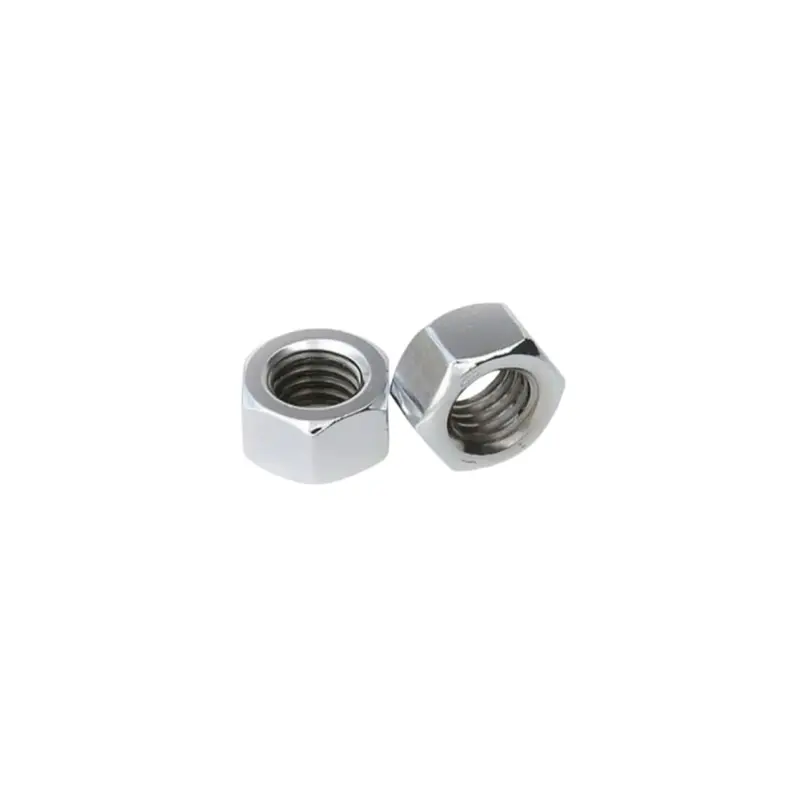
DIN-based nut variants are categorized by geometry, tolerance behavior and assembly compatibility. Helps teams pair bolts and nuts with clearer technical consistency.
Category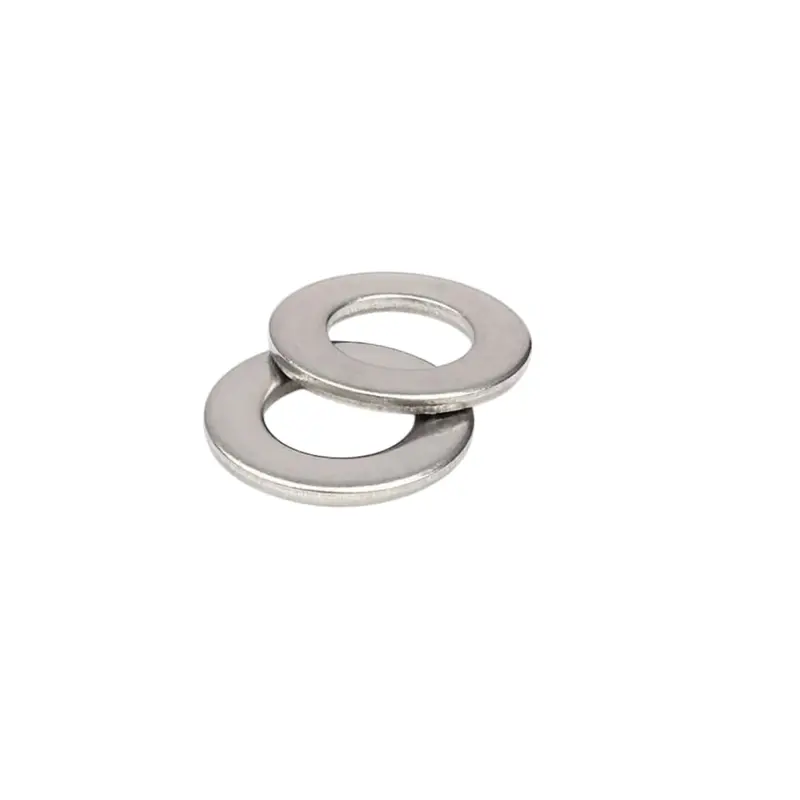
Washer geometries are listed for load distribution, contact control and surface-protection scenarios. Supports stable assembly performance in multi-part interfaces.
Category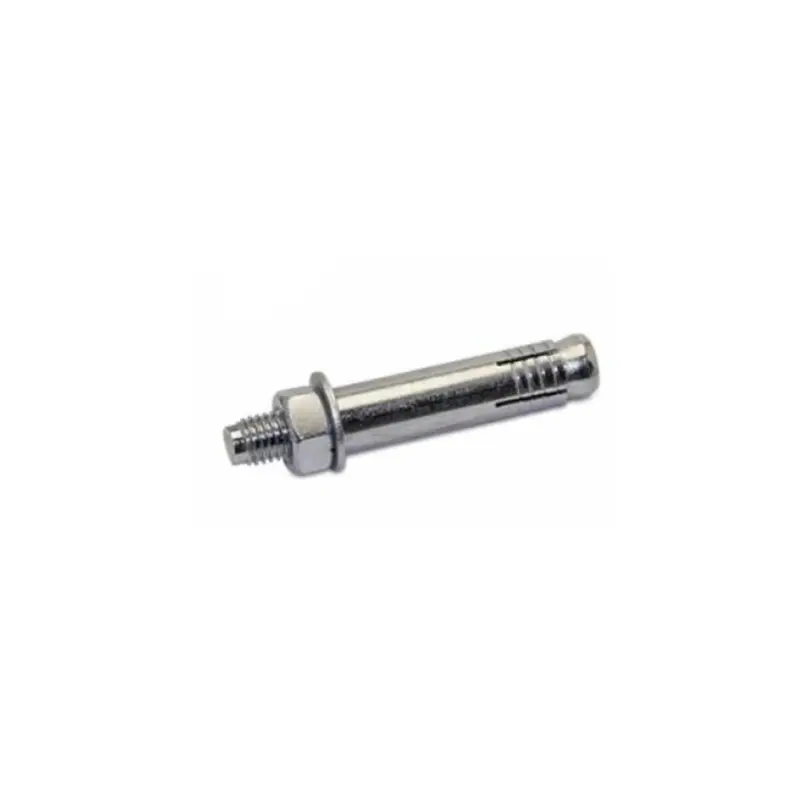
Driven, sleeve and chemical anchor systems are presented with application-focused technical context. Ground/substrate fit and installation notes reduce field uncertainty.
Category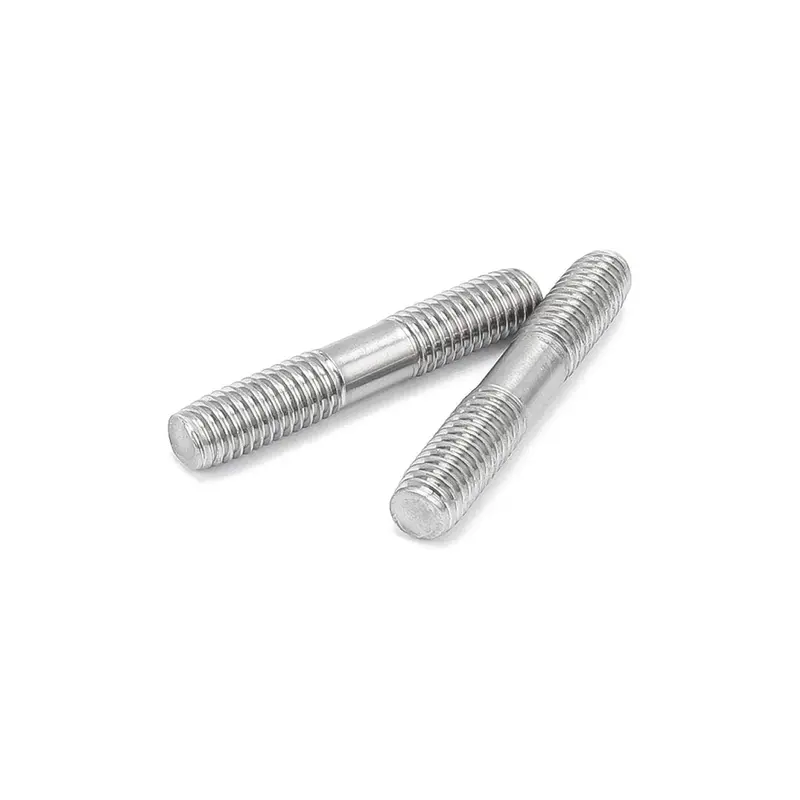
Heavy-duty fixing scenarios are supported with stud/anchor entries mapped to standards. Material and dimension decisions can be validated against project constraints.
Category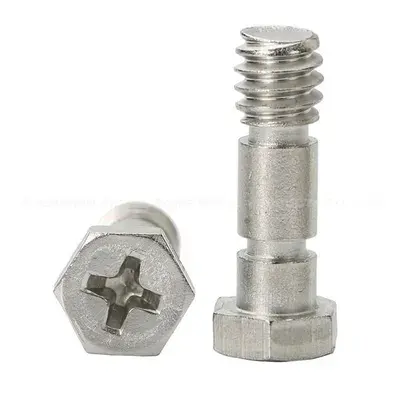
Custom and non-standard geometries are addressed through an engineering-to-production workflow. Technical documentation and sample validation support transition to serial manufacturing.
DIN and ISO pages with scope, dimensional context and application-oriented technical notes.
Go to StandardsMaterial selection, torque strategy, head/thread behavior and implementation guidance in one stream.
Go to BlogDimension terms and symbols that help teams interpret technical tables consistently.
Go to GlossaryQuick decision note: A2 (304) fits standard industrial conditions, while A4 (316) is preferred where moisture, chlorides, or chemical exposure are more demanding.
A balanced option for common industrial service with practical cost-performance alignment.
Quick Take: A2 (304) is usually sufficient and efficient when chemical or marine exposure remains limited.
A safer choice where chloride exposure, marine atmosphere, and chemical contact are more severe.
Quick Take: Choose A4 (316) when chloride, salt-laden moisture, or chemical-contact risk is meaningful.
A2 (304) stainless steel is commonly selected for general industrial service where corrosion exposure remains moderate and maintenance conditions are predictable. It provides a balanced profile between corrosion resistance and process practicality.
A4 (316) stainless steel is preferred where chloride exposure, humidity and chemical contact are higher. For coastal installations and aggressive process environments, A4 is often the safer long-term engineering decision.
Material selection should not be isolated from assembly behavior. Torque control, mating-part material, galvanic interaction risk and service/maintenance cycles all influence real-world reliability.
Even when geometry codes align under DIN/ISO references, lifecycle performance can shift significantly with material class and installation discipline. Technical drawing interpretation and dimensional tolerance checks should be reviewed together.
Surface condition, passivation quality and process traceability also impact corrosion behavior in service. Projects targeting longer service life should define process-quality expectations alongside material codes.
Variations are configured around project requirements with controlled material, geometry and quality parameters.
Hexagon full-thread bolt standard.
Socket head cap screw reference.
Hexagon nut baseline standard.
General flat washer dimensions.
Spring washer geometry reference.
ISO counterpart for socket head screws.
Hex full-thread bolt ISO standard.
Hex nut ISO reference standard.
Material-class comparison for corrosion-sensitive applications.
How to read equivalent standards in practical engineering flows.
Core thread parameters and interpretation notes.
Torque window logic and assembly control fundamentals.
Application behavior of different head/drive geometries.
Surface quality impacts on corrosion performance.
Base the decision on corrosion exposure, humidity/chloride risk, maintenance frequency and expected service life. A2 works well in moderate conditions, while A4 is stronger in aggressive environments.
Many products have equivalent DIN and ISO references. Reading both improves dimensional consistency and reduces mismatch risk during design and assembly.
The drawing explains geometry, while the table defines parameter values and limits. Reviewing both before assembly minimizes compatibility issues.
Load profile, access constraints, installation method and service/reassembly requirements should be evaluated together to select stable geometry.
Typical steps include dimensional checks, surface inspection, material verification and lot-level traceability. Critical projects may require extended validation.
Service environment, load type, tooling, target lifecycle and standard references should be documented together for consistent engineering decisions.
Share service conditions, target standards and material expectations to start with a clear technical baseline.
Contact Us