
Drawing-Based Custom Stainless Steel Fasteners
For requirements outside standard ranges, we review project-specific fastener needs based on technical scope, geometry, material, and production feasibility. This page does not publish pricing.
For stainless steel screws, stainless steel bolts, and broader stainless steel fasteners, the aim is to align geometry, material selection, lot logic, and quality expectations in one practical review flow.
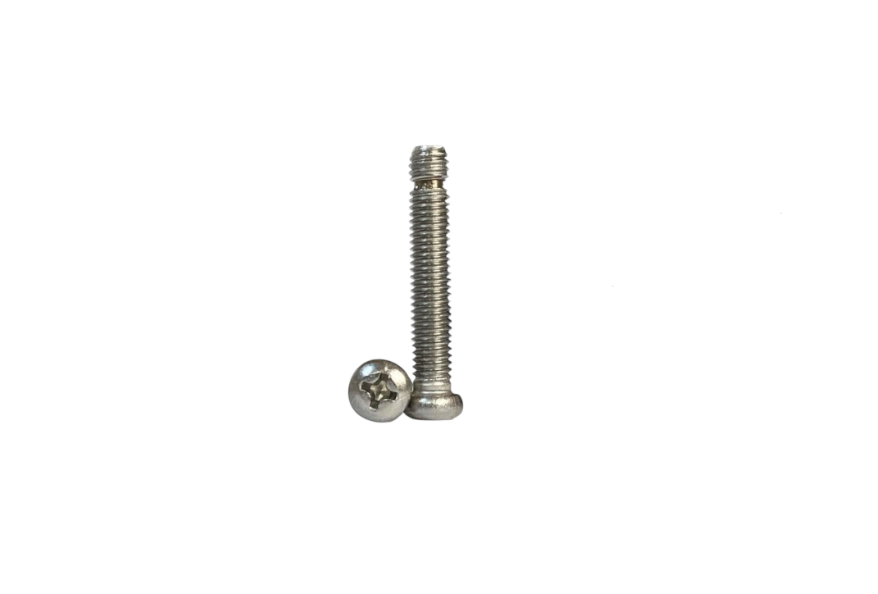
Custom Thread Forms
Non-metric pitches, special flank strategies, thread transitions, and plastic / hi-low style approaches can be reviewed according to project conditions. The goal is to build a thread logic that works with the mating part and the installation behavior.
- Thread pitch and series logic
- Fit / tolerance relationship
- Mating-part compatibility
- Effect on installation torque
- Surface and cleaning notes
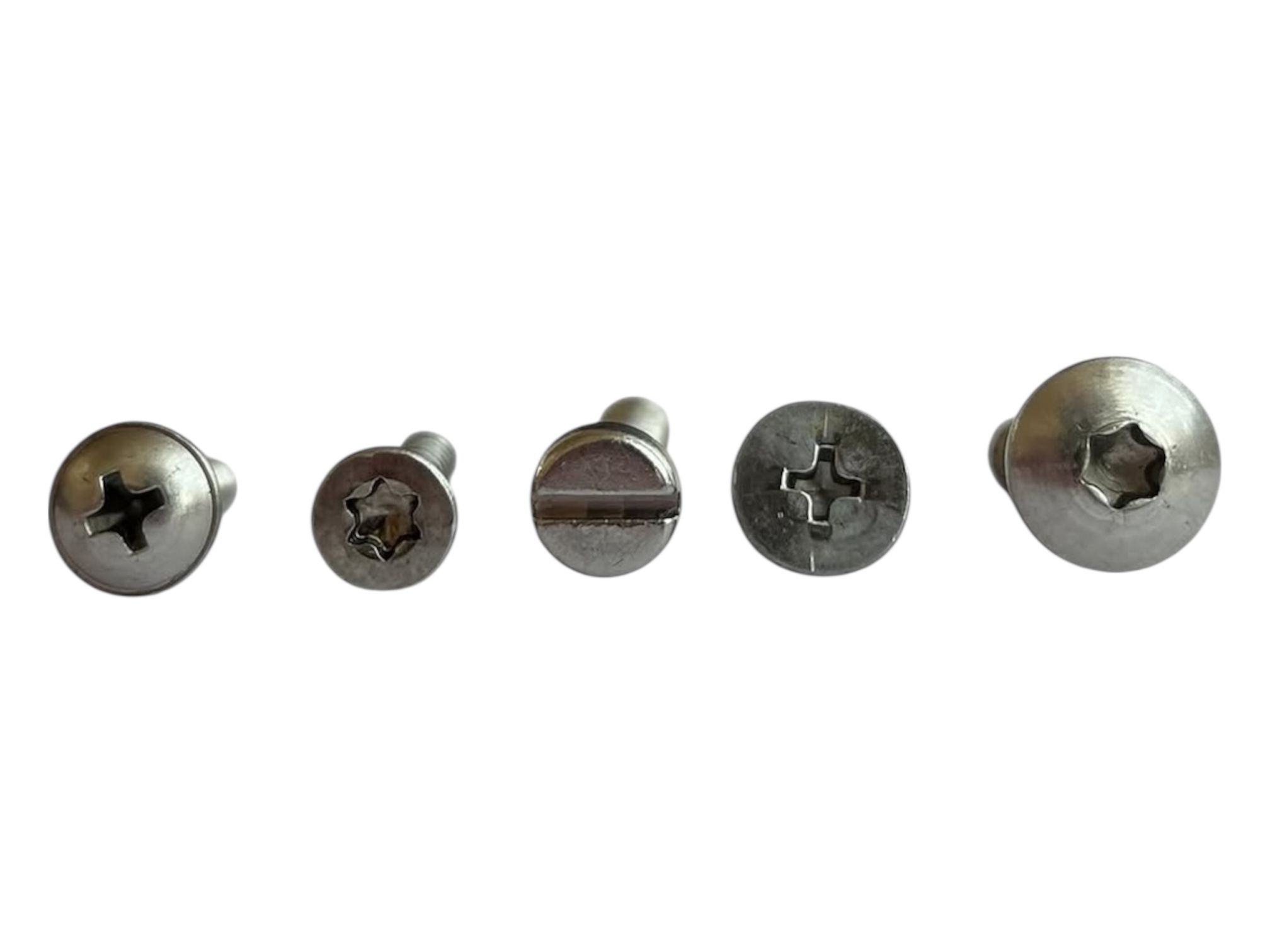
Custom Head Forms
Flange variations, low-profile heads, seating-area logic, and driver preferences for limited assembly zones can be reviewed together. Head geometry is not only a shape question; it also affects access, load distribution, and repeatable production.
- Critical dk / k / s / e dimensions
- Driver type: Torx / hex socket / phillips
- Seating-surface expectations
- Assembly access
- Repeatability requirements
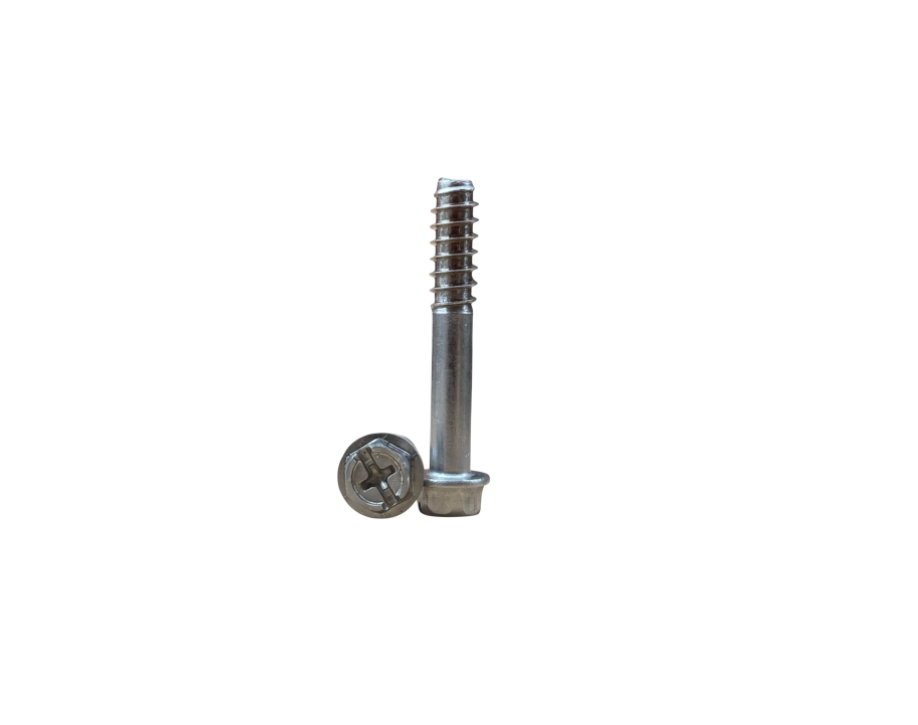
Application-Specific Custom Parts
Drawing-based studs, anchors, screw sets, or washer + screw combinations can be reviewed as application-led assemblies. This approach connects geometry with sampling, lot logic, and packaging discipline in one flow.
- Expected drawing format
- Sample and measurement-report logic
- Lot traceability planning
- Passivation / cleaning step
- Packaging and labeling structure
Technical Inputs
Share drawings, dimensional expectations, material class, and installation environment to start a meaningful review.
Production Approach
We assess process suitability, tolerance expectations, and repeatability before defining a production path.
Quality Criteria
Critical dimensions and functional requirements are identified early to support a stable technical process.
Use the Knowledge Center as a Shared Reference
Product groups, standards pages, and glossary terms help align engineering and procurement discussions before contacting us.